Diario del direttore
Conductor's Diary No. 11 – Romantic Winds in Chianciano
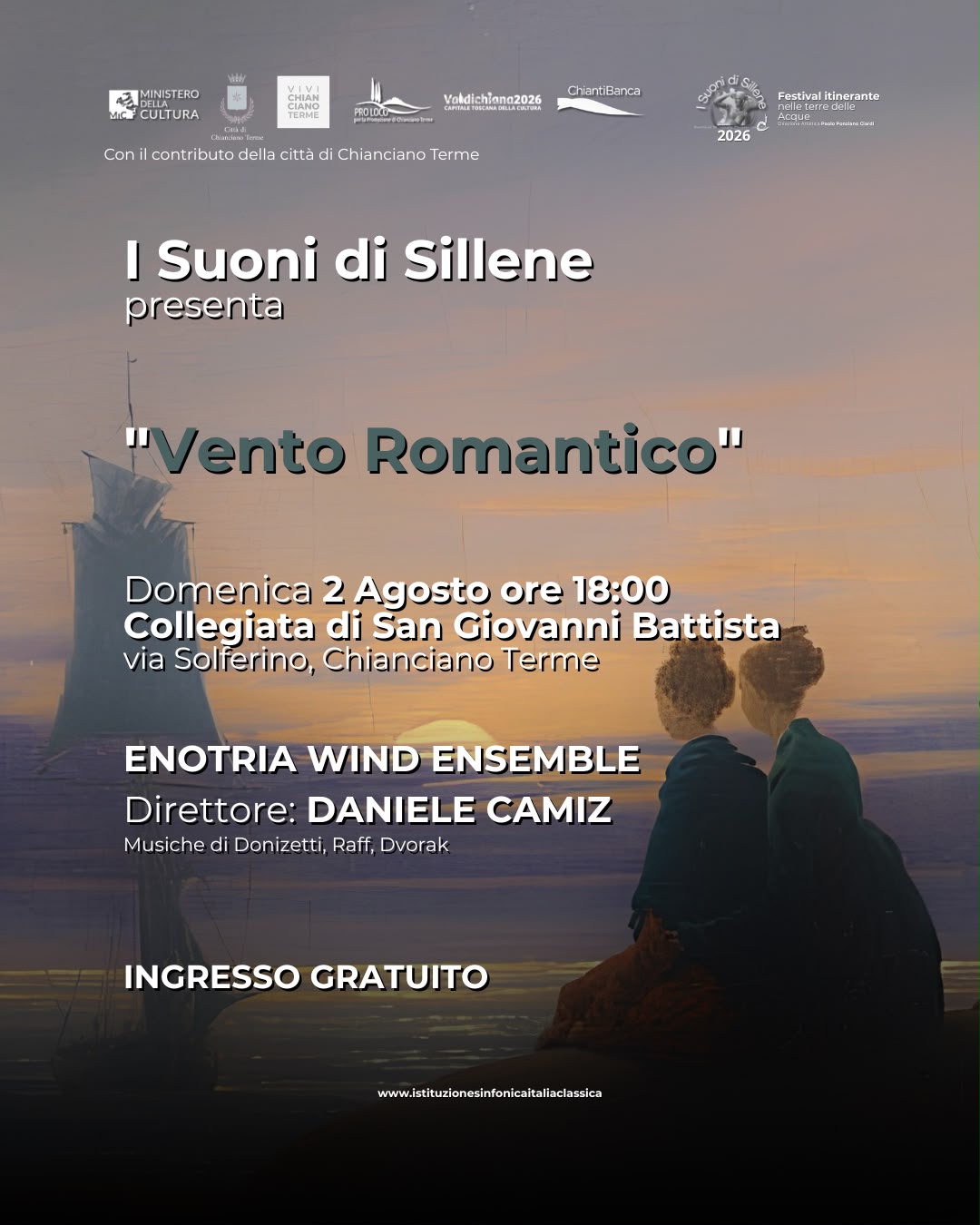
A weekend with the Enotria Wind Ensemble: one rehearsal, extreme heat, demanding repertoire and the experience of building a concert together in less than twenty-four hours.

Some concerts begin when the conductor steps onto the podium.
This one began on an Intercity train heading to Chianciano.
I knew that two musicians from the Enotria Wind Ensemble would be travelling from Rome by train, but I certainly didn't expect us to be on the same train, in the same carriage, and even sitting only a few seats apart. I recognised Ilaria and Alessandra almost instinctively.
We greeted each other.
Then I did what I usually do whenever I have a few hours on a train.
I slept.
When I arrived in Chianciano I met the rest of the ensemble. One thing struck me immediately. Everyone called me Maestro and addressed me very formally.
I stopped them almost straight away.
"Please... call me Daniele."
I don't like working with too much distance between people. I believe mutual respect doesn't depend on formalities, and after a few minutes nobody thought about it anymore.
That evening we all went out for dinner.
During the walk to the restaurant something very simple happened: we started talking. About music, of course, but also about many other things. The barriers disappeared surprisingly quickly and, by the time we sat down at the table, it already felt as if we had known each other for much longer.
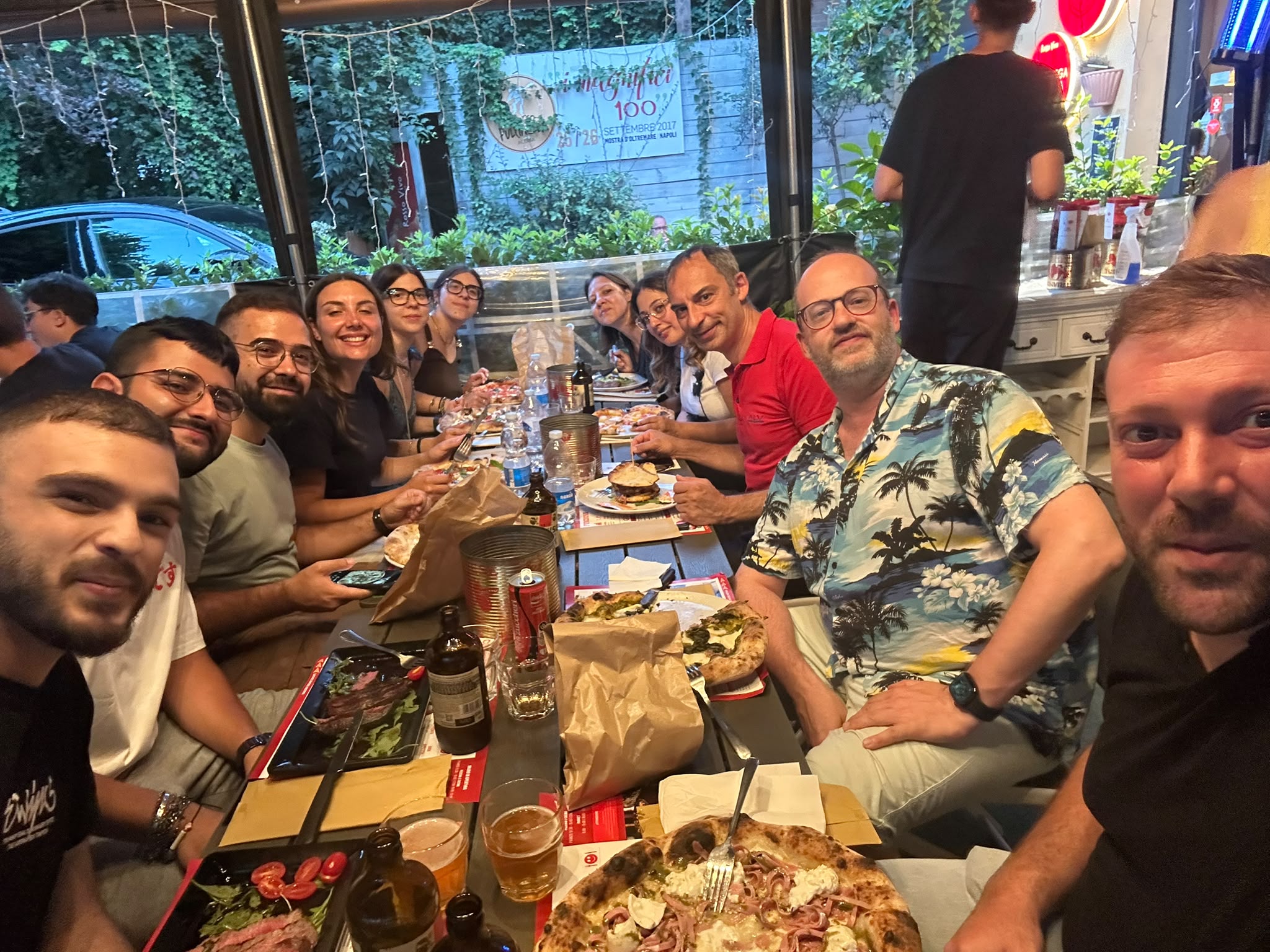
Only Fabrizio was missing. He arrived later that night and I met him the following morning.
Sunday started early.
We met at 9 a.m. We had decided to bring everything forward, although by the time the stands, chairs and instruments were ready it was around 9.30 before we actually started playing. It was going to be a long day: one single rehearsal, then back to the hotel for lunch, a little rest, and finally the concert at 6.15 p.m.
As soon as I walked into the church I realised that the day would not be an easy one.
The heat was incredible.
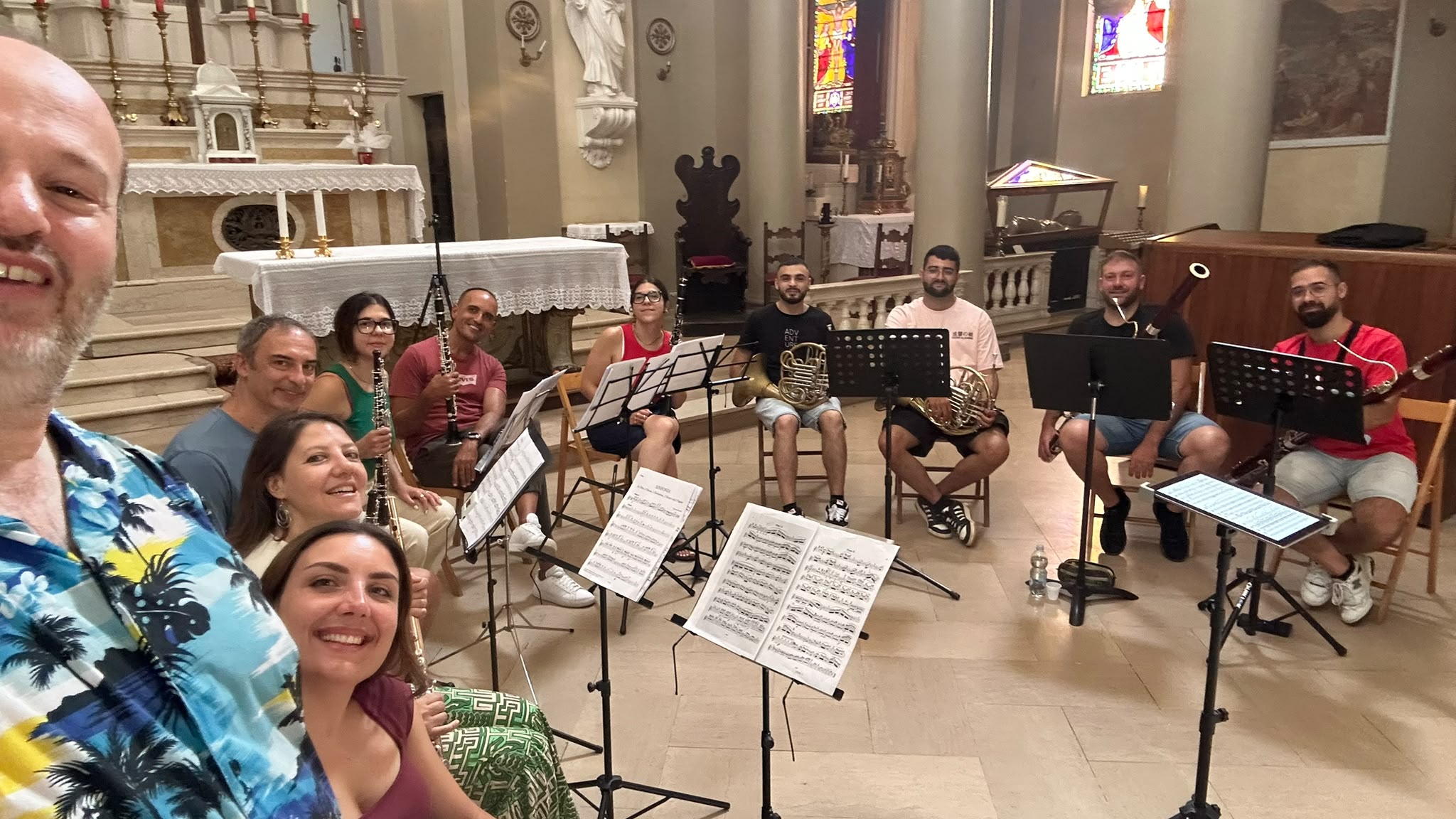
The first question that came to my mind was a very practical one: how do you rehearse almost an hour of music with ten wind players without exhausting everyone before the concert even begins?
I decided to start with Raff.
It is the longest and most demanding work on the programme, and, above all, it involves all ten players. In many ways it is a real symphony, just on a smaller scale. If that worked, everything else would become much easier to organise.
We spent a lot of time working on articulation, but even more on sound. I soon realised that the ensemble naturally tended to play with great energy. I was looking for a wider dynamic range, especially in the softer passages. For wind players, articulation is everything, but tone colour also changes completely if you avoid playing everything loudly.
I spent quite a bit of time with the horns. They have the difficult job of holding back so they don't cover the other instruments, and they did it with remarkable generosity.
Meanwhile, the temperature kept rising.
Then we moved on to Donizetti.
I had never conducted this piece before. I had studied it specifically for this concert and, as I often do when preparing a new work, I had listened to many different recordings.
There was one detail that kept attracting my attention.
The score the ensemble had sent me was marked Urtext, and the articulations were very different from what one usually hears in performance. Many of the slurs that have become part of the performing tradition simply were not there.
So I suggested an experiment.
The players still had all the markings from a previous performance with another conductor. I asked them to remove almost all of those additions and simply play what was written in the score.
At first I noticed a few puzzled faces.
Quite understandably: until a few minutes earlier they had been playing the piece in a completely different way.
But then we started.
For wind players, articulation is everything.
Adding or removing just a few slurs completely changes the character of the music. Little by little the whole piece came alive with a lighter, brighter, almost theatrical character. We worked through it patiently, without rushing.
The nicest moment came after the concert.
Manuel told me that he had never been particularly fond of the Donizetti Symphony. He had always found it rather ordinary. With these articulations, however, he felt he had discovered a completely different piece and had enjoyed it much more.
For me, that was probably the greatest satisfaction of the entire day.
We took a short break.
To be honest, we could happily have skipped it, but by then we were already exhausted. Dvořák was still waiting for us, and time was running fast.
The three Slavonic Dances are played by the octet, without the flutes. They are arrangements, and although they work well, they are not always ideal. Some passages are quite demanding, especially for the horns, and I had the feeling they were not the ensemble's favourite pieces. That's perfectly understandable.
Still, we worked through them.
The three dances are completely different from one another, full of changes of tempo, character and atmosphere. There was no time left to polish every detail. Our goal was simply to build a solid structure, clarify the most delicate entries and make sure everyone felt comfortable for the concert.
When we looked at the clock, it was almost one o'clock.
Time to stop.
We went back to the hotel, where the owners kindly let us use the bar area to have lunch together. Lunch was very simple: bread and cold cuts, bought by the flautists during the break after Raff. It was exactly what we needed. Nobody was looking for a proper meal. We mainly needed something to eat, plenty of water and a little time to recover our energy.
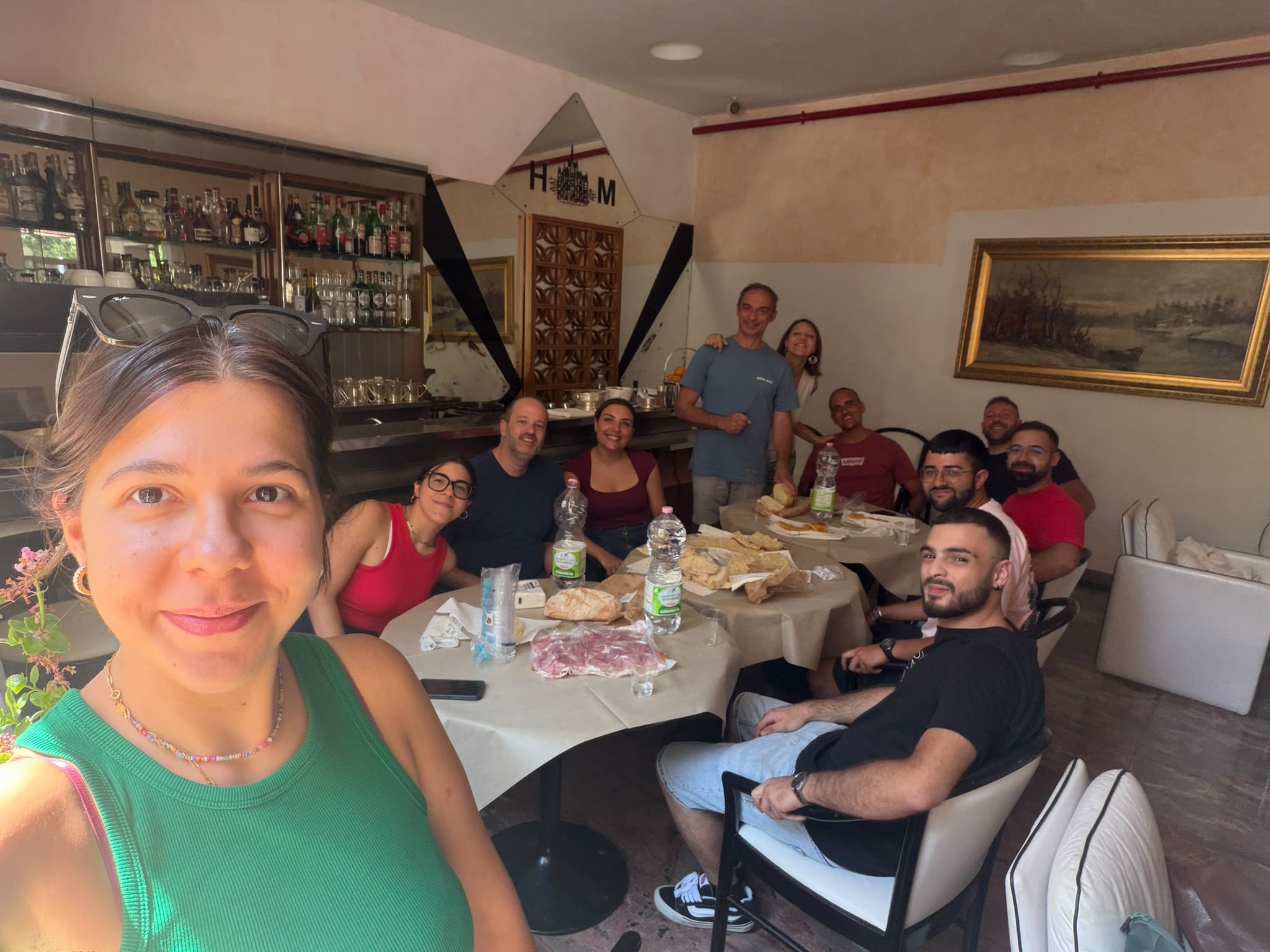
A short nap.
Then back to the church.
By five o'clock we were already there.
They opened the church a little late.
For a moment I even thought it felt cooler than it had in the morning.
It didn't.
We only checked a few tempo changes and a handful of entries. Anything more would simply have made us more tired.
Little by little the audience started arriving.
The church is quite small, but it filled up very quickly.
That surprised me.
Until then Chianciano had seemed almost deserted.
So where was everybody coming from?
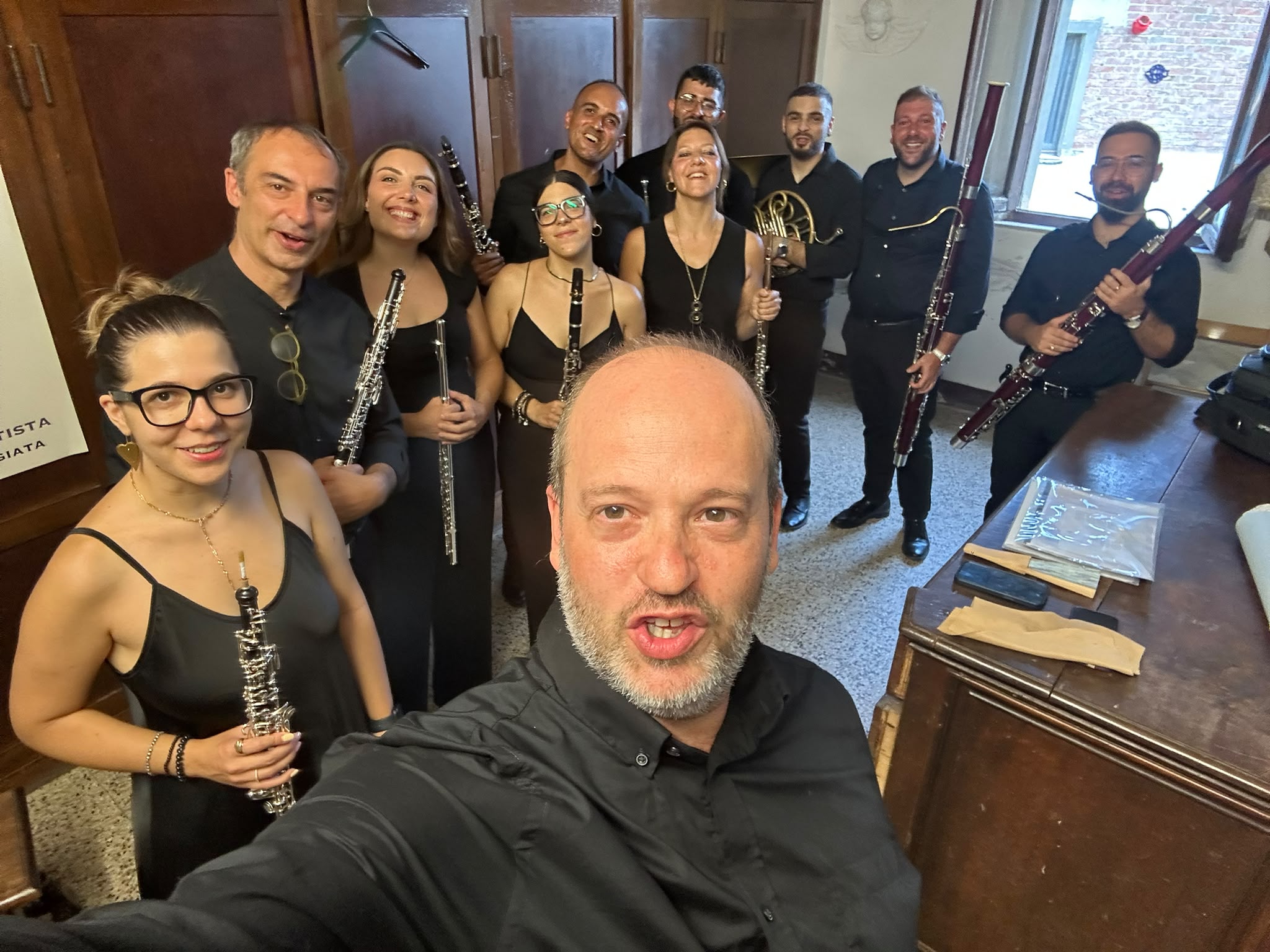
After Paolo Ponziano Ciardi's introduction, at around 6.15 p.m., the concert began.
Off we went.
During the first few minutes I had a very clear impression.
Everything seemed slightly slower than during the rehearsal. The dynamics also felt heavier somehow.
I wasn't entirely convinced.
Then I stopped thinking about it.
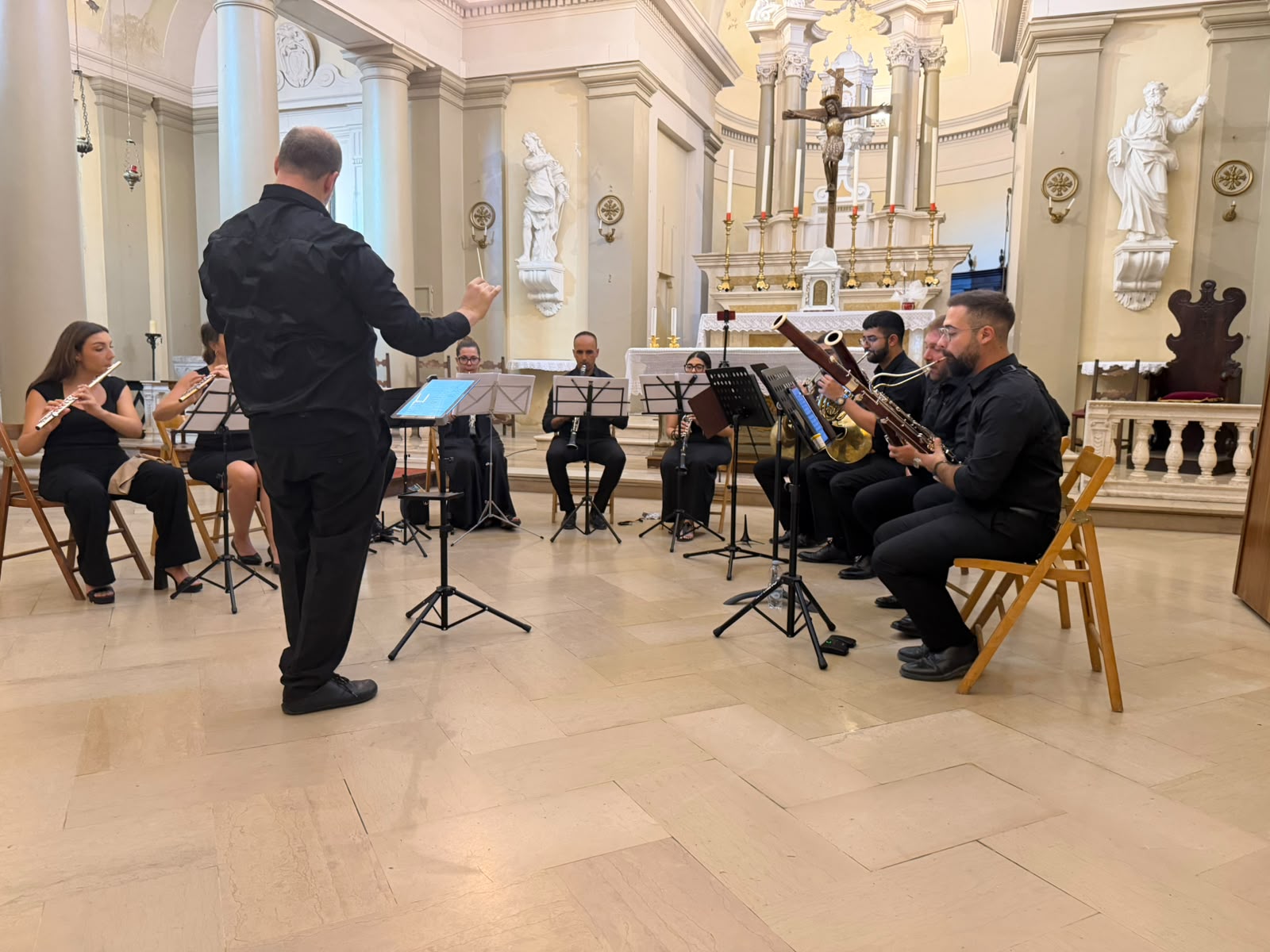
The concert had already begun, and the only sensible thing to do was simply to listen and make music together.
Donizetti went well. There were a few small inaccuracies here and there, but nothing that affected the character of the piece.
Then came the applause.
Then Raff.
A few minor slips in the first movement.
Applause.
Another couple in the second.
More applause.
And the same happened after every movement.
That really struck me.
It is not every day that an audience applauds between the movements of a symphony, even a "miniature" one.
Then came Dvořák.
By then everyone was beginning to feel tired. There were a few small mishaps—it would be silly to pretend otherwise—but there was also great professionalism. Nobody ever lost the musical thread, and the audience continued listening attentively, applauding after each of the three dances.
By the end we were all exhausted.
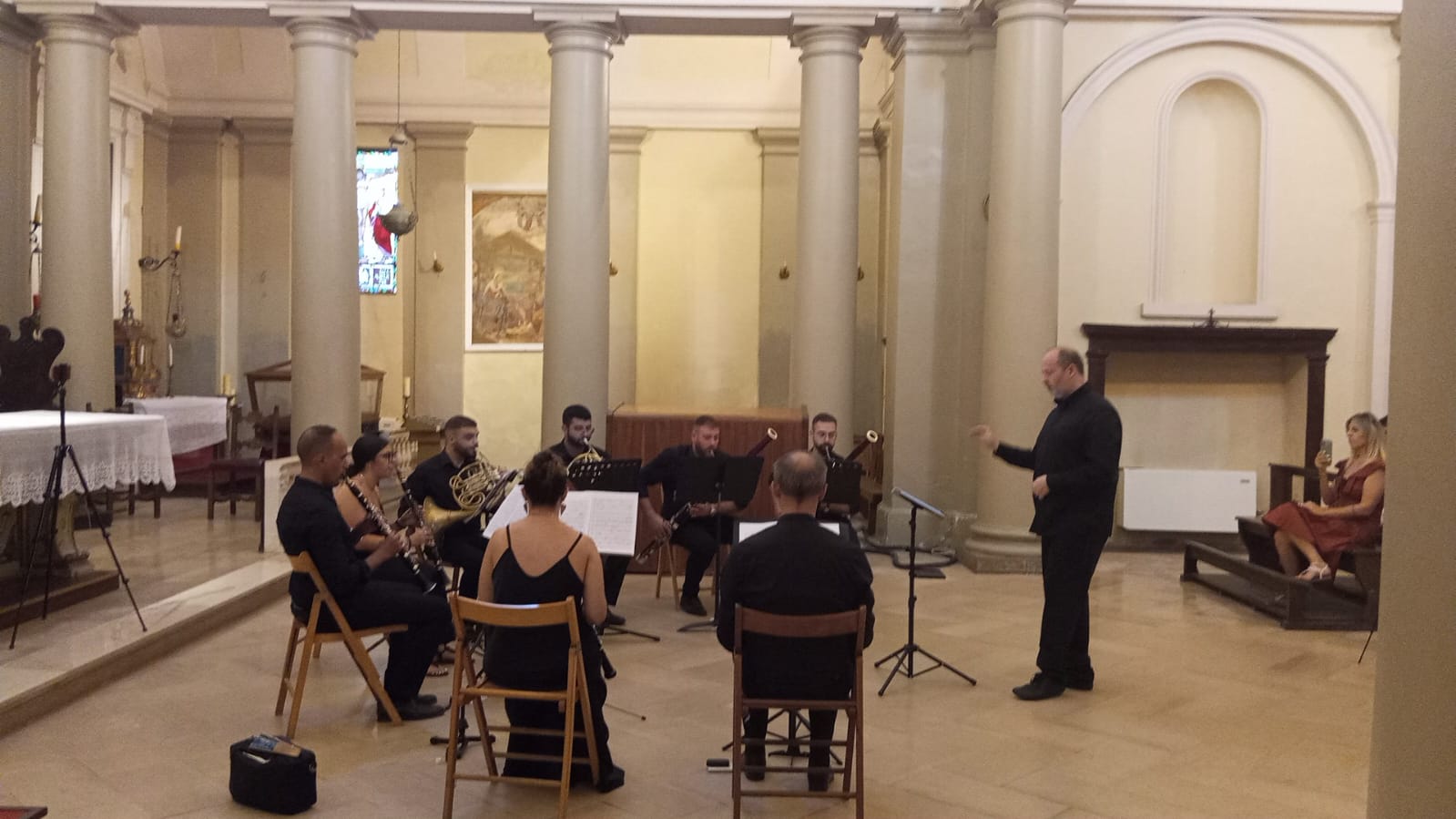
I, more than exhausted, was completely soaked. My shirt was wet through, my trousers too. I honestly can't remember ever conducting a concert in such heat. Later that evening, when I wrote in the WhatsApp group about "high concentration, high temperature, sauna and Turkish bath included...", I wasn't exaggerating very much.
As an encore we repeated the final section of the second movement of Raff's Sinfonietta, one of the few moments in the programme when all ten musicians play together. It felt like the perfect way to end the evening.
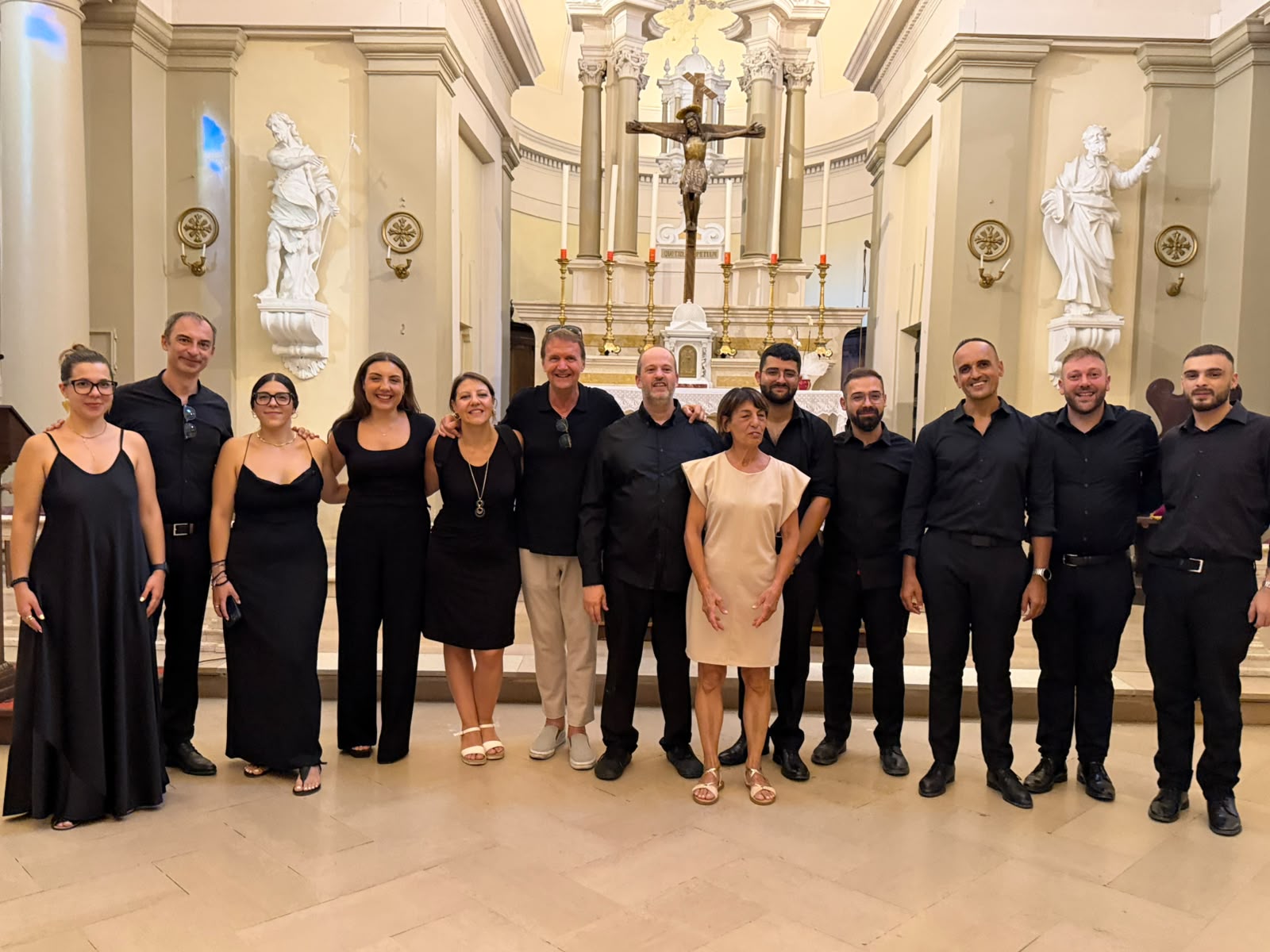
After the applause and the photographs I had a chance to talk with Paolo Ponziano Ciardi.
We had actually spoken before the concert. He had shown me the church organ, which is in need of major restoration, and I had mentioned that I play the organ every Sunday during worship at the Waldensian Church in Piazza Cavour in Rome, where we have recently completed the long restoration of our own instrument.
Picking up that conversation again, he said something I hadn't expected.
"You can tell you're an organist."
Those were not exactly his words, but that was the idea. He explained that, while watching me conduct, what had struck him most was the clarity of the phrasing and the close relationship between gesture and the shaping of each musical phrase.
"Actually, I'm a pianist," I replied.
We both smiled.
That conversation stayed with me. Not so much because it was a compliment, but because it touched on one of the aspects I think about most whenever I study a score and prepare a performance.
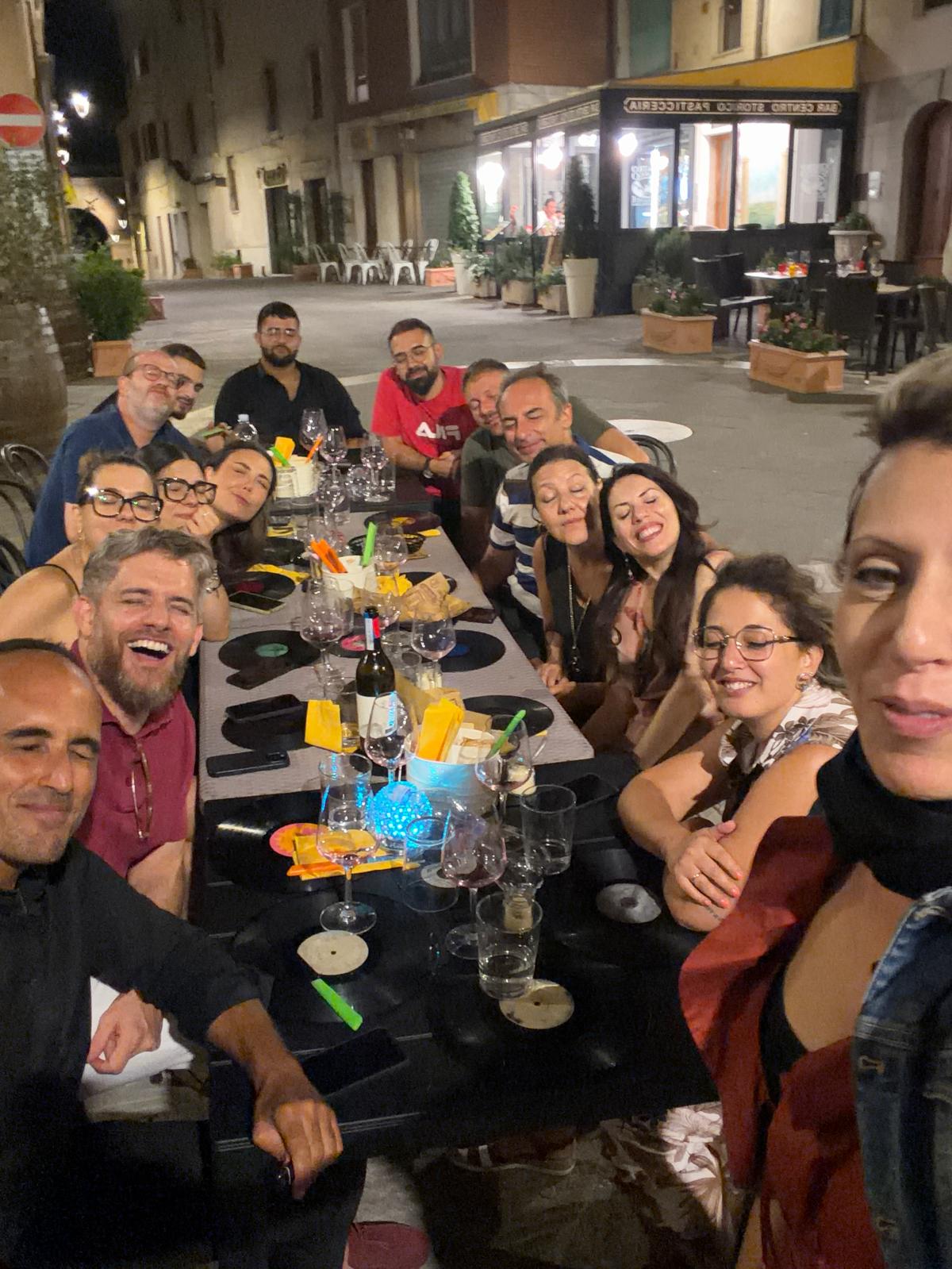
Then came dinner, goodbyes and the journey home.
The WhatsApp group slowly filled with messages. Gino thanked everyone for the wonderful experience. Ilaria hoped we would soon play together again. Gaia wrote how nice it had been both to meet new colleagues and to see old friends again. Manuel and Claudia thanked Alessandro Marano and me. Davide sent everyone a warm farewell.
I still enjoy reading those messages.
A few days later I finished editing the concert video and watched the whole performance again.
It surprised me.
While conducting, I had felt that some things had not gone quite as I wanted: slightly slower tempi, heavier dynamics...
Listening back, I realised that those impressions had simply been misleading.
Of course there were a few small imperfections, as one would expect after a single rehearsal, with demanding repertoire and that extraordinary heat.
But overall the performance was considerably better than I remembered.
The funny thing is that the first reactions from the musicians after watching the video were very similar.
"I didn't think it had come out so well."
To be honest, I had exactly the same feeling.
Looking back on that weekend, many images come to mind: the almost unbearable heat during the rehearsal, the improvised lunch before trying to get a little rest, the church suddenly filling with people, the applause after every movement of the Sinfonietta and after each of the Slavonic Dances, the dinner after the concert.
But above all I remember one very simple thing.
On Saturday afternoon I got on an Intercity train knowing only two people in the ensemble.
On Sunday evening I left feeling that I had just said goodbye to a group of musicians with whom I would happily have made another concert the very next day.
Update
The concert was recorded in its entirety.
I am currently waiting for all the musicians' approval before publishing the video. As soon as I have it, I will add the complete recording to this page.
Update – 7 August 2026
With the kind permission of all the musicians of the Enotria Wind Ensemble, the complete concert video has now been added.